
"Do I need to upgrade to 200 amps" is usually asked because the panel has no spaces left, and that is a different question from whether the service is too small.
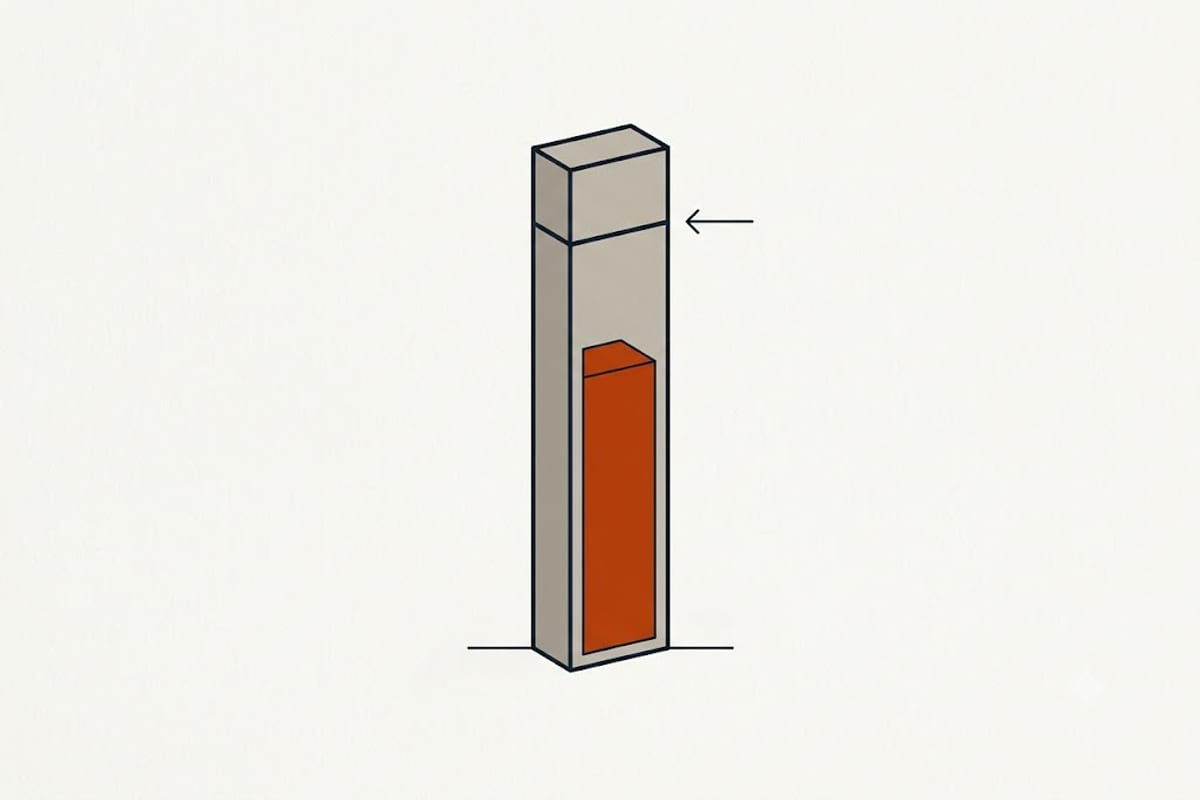
Two separate problems
No spare breaker spaces. A physical limitation of the panel. It can be solved by a subpanel, by tandem breakers where the panel permits them, or by replacing the panel — none of which requires a larger service.
Insufficient service capacity. The calculated load exceeds what the service can carry. This is what actually requires an upgrade.
Conflating them is how a household ends up paying for a service upgrade it did not need, or getting a panel change that does not solve the problem.
The calculation
The National Electrical Code sets out how to calculate a dwelling's service load. The optional method in Article 220 Part IV is the one normally used for a house, and its shape is:
General lighting and receptacles: a volt-amp allowance per square foot of living area.
Small appliance and laundry circuits: a fixed allowance for each required circuit.
Fixed appliances at their nameplate ratings — range, oven, dryer, water heater, dishwasher, disposal.
A demand factor applied to the total: the first portion at 100% and the remainder at a reduced percentage, because not everything runs at once.
Heating or air conditioning, whichever is larger, added at its own factor.
The result in volt-amps divided by 240 gives amps.
Why the answer surprises people
A typical existing house with gas heat, a gas water heater and a gas range calculates well under 100 amps, often far under.
The load is dominated by the large electric appliances: electric resistance heat, an electric range, an electric water heater, an electric dryer, and air conditioning. A house with all of them and no gas is a different calculation entirely.
That is why two houses of the same size can be comfortable on 100 amps and marginal on 150.
What is changing the answer now
Electric vehicle charging, which can add a continuous load comparable to a whole small house.
Heat pumps replacing gas heating, and heat pump water heaters replacing gas ones.
Induction ranges replacing gas.
Each of these moves load from gas to electricity, and a house doing all four is very likely to need more service than it has.
The alternatives to a service upgrade
Load management devices that shed or limit one load when another is running — commonly used so an EV charger and a range do not draw simultaneously. The Code recognises these, and they are far cheaper than an upgrade.
A smaller EV circuit. A 30 amp charger delivers a great deal of range overnight, and it requires far less capacity than a 60 amp one.
A meter-mounted or panel-integrated energy management system, which measures actual load and controls the additions.
Keeping one gas appliance, which frees the largest single block of capacity.
These are worth pricing before the upgrade, because on many houses they solve the problem for a fraction of the cost.
Getting the number
An electrician can perform the calculation from a list of the appliances and the square footage. It is not a long exercise.
Ask for it in writing, with the individual loads shown. A quote for a service upgrade that arrives without one is a quote for a product rather than an answer to a question.
What the meter can tell you
Some utilities record peak demand and will provide it on request, and many smart meters expose interval data through the utility's online portal.
That is the house's actual measured peak, which is usually far below the calculated load — the calculation is deliberately conservative. It does not replace the Code calculation for permitting purposes, and it is useful evidence when deciding whether load management is realistic.