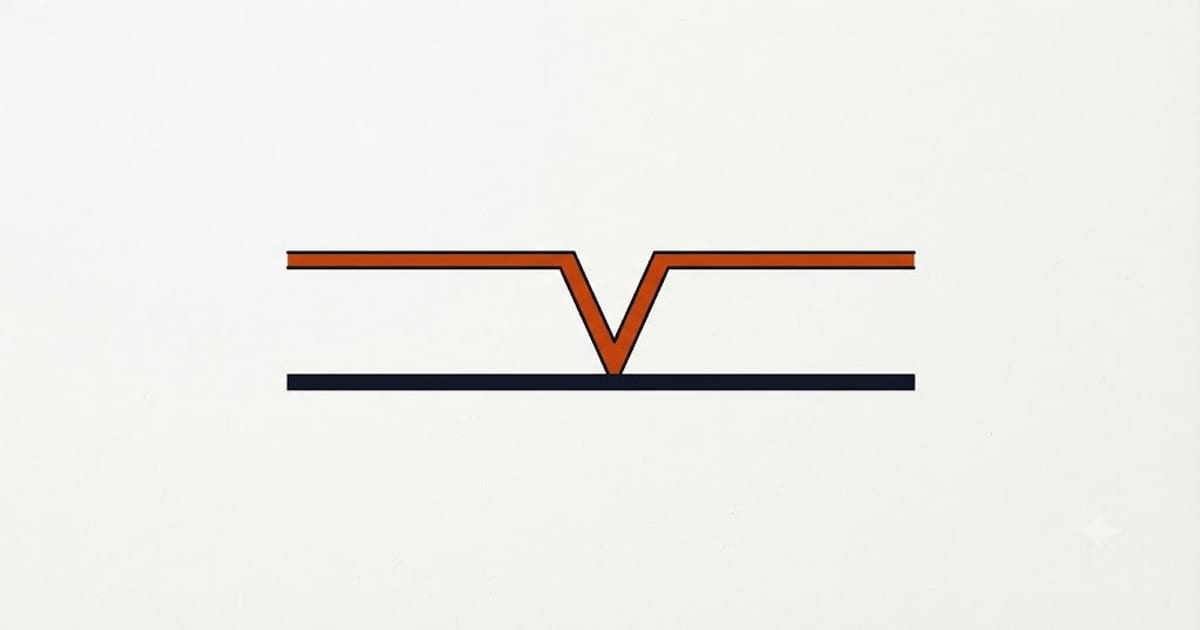
An air conditioner compressor draws several times its running current for a fraction of a second as it starts. That inrush pulls voltage down briefly across the whole house, and incandescent and some LED lamps show it as a flicker.
A momentary flicker at the instant the compressor engages is normal and always has been. What is not normal is a dim that lasts, or one that comes with other symptoms. Telling the two apart is the entire point of this page, because one of them is physics and the other is a fire risk.
Normal
- A brief dip, well under a second, at the moment of start.
- Every light dims together, by a similar amount.
- Nothing gets brighter.
- Nothing gets warm, and nothing smells.
- It has behaved this way for years and has not changed.
Not normal — investigate
- The dim persists for a second or more, or lights stay noticeably dim while the compressor runs.
- Some lights dim while others brighten. This is the important one.
- Flickering with no obvious trigger, or when large loads switch anywhere in the house.
- The dimming has become worse over time.
- Lights flicker along with a buzzing sound, or a smell of hot plastic, or a warm faceplate.
Why "some dim, some brighten" is the serious symptom
A US house is fed by two 120-volt legs and a shared neutral. The neutral carries the imbalance between them.
If that neutral connection degrades — at the meter, at the main lug, at the utility splice, or at the pole — the two legs stop being held at 120 volts each. They start dividing the 240 volts between them according to how loaded each side is. Load one side heavily and its voltage drops while the other side rises above 120.
That is why the signature of a failing neutral is one part of the house going dim while another goes bright. The bright side is over-voltage, and it destroys electronics, motors and LED drivers, sometimes several at once.
This is not a wait-and-see fault. A lost neutral can put close to 240 volts across 120-volt equipment. If lights brighten anywhere while others dim, turn off sensitive equipment and get it looked at now.
The other real cause: a loose connection
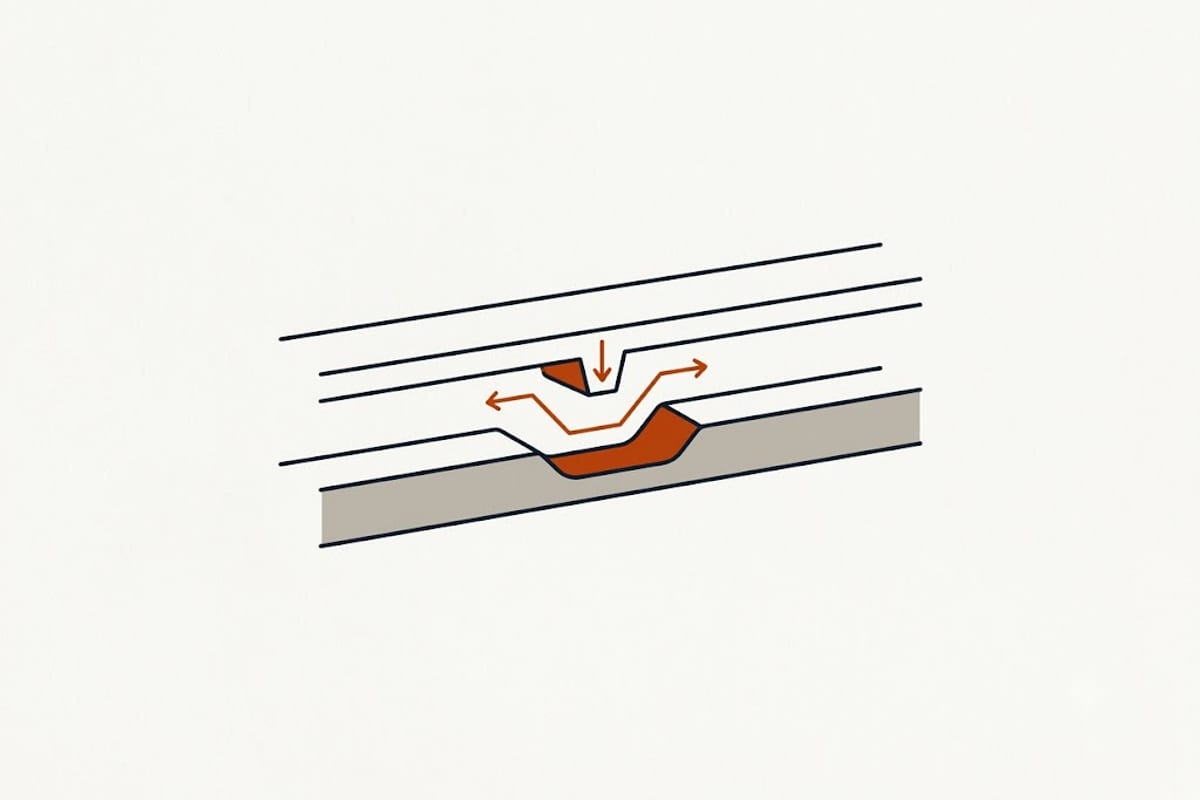
Aluminium branch wiring, back-stabbed receptacles, and lugs that were never torqued to specification all produce high-resistance joints. A high-resistance joint heats under load, and heating raises resistance further — a loop that ends at an arc.
The clues are local rather than whole-house: flickering on one circuit, a warm switch or outlet plate, a faint buzz, or a scorch mark. Anything warm to the touch is past the point of monitoring.
When it is genuinely just the starting current
If the flicker is brief, uniform and long-standing, and you simply want it gone, there are two reasonable measures:
A hard start kit on the compressor. A capacitor that gets the motor turning faster, cutting the duration and magnitude of the inrush. It is inexpensive, it is fitted by an HVAC technician in a short visit, and it also reduces wear on the compressor.
Check the circuit is not shared. Lighting on the same circuit as a large motor will always show it worst. Moving the lighting is more work but it is the more complete fix.
If the house is at the end of a long service drop, or the supply conductors are undersized for a load that has grown over the years, the dip is a symptom of voltage drop on the service itself — and that is a conversation with the utility, not with an electrician.
What to do, in order
- Watch carefully during one start. Duration, and whether anything brightens.
- Touch nothing that is warm — note it and leave it.
- If anything brightens while something else dims, treat it as urgent: shut down sensitive electronics and call an electrician the same day.
- If it is brief, uniform and unchanged for years, it is starting current. A hard start kit removes it if it bothers you.
- If it has been getting worse, do not wait for it to declare itself. Connections fail progressively, and the failure mode at the end is not a flicker.