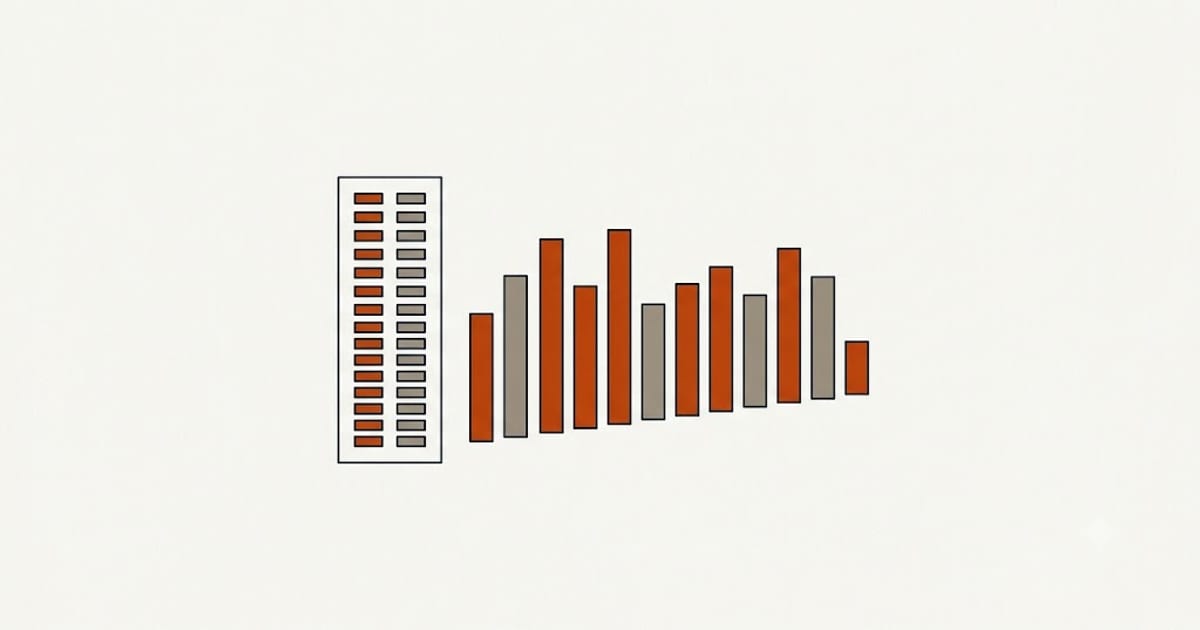
A 200 amp service upgrade costs $2,320 in Arkansas and $3,553 in Oregon, against a national figure of $2,800.
The job is roughly 68% labour and electrician pay is published for every state, so the table below is that ratio applied to the labour half — with the panel, breakers, meter base and mast left at national prices, because copper and steel cost what they cost.
Every state
| State | Electricians mean pay | Labor factor | Typical total | Bid range |
|---|---|---|---|---|
| Alabama | $57,510 | 0.804 | $2,428 | $1,561 – $3,468 |
| Alaska | $90,040 | 1.259 | $3,294 | $2,118 – $4,706 |
| Arizona | $64,220 | 0.898 | $2,606 | $1,676 – $3,723 |
| Arkansas | $53,470 | 0.748 | $2,320 | $1,491 – $3,314 |
| California | $85,860 | 1.201 | $3,183 | $2,046 – $4,547 |
| Colorado | $66,310 | 0.928 | $2,662 | $1,711 – $3,803 |
| Connecticut | $77,390 | 1.083 | $2,957 | $1,901 – $4,224 |
| Delaware | $70,750 | 0.99 | $2,780 | $1,787 – $3,972 |
| District of Columbia | $88,860 | 1.243 | $3,263 | $2,097 – $4,661 |
| Florida | $57,660 | 0.807 | $2,432 | $1,563 – $3,474 |
| Georgia | $61,090 | 0.855 | $2,523 | $1,622 – $3,604 |
| Hawaii | $92,870 | 1.299 | $3,369 | $2,166 – $4,813 |
| Idaho | $66,600 | 0.932 | $2,670 | $1,716 – $3,814 |
| Illinois | $92,230 | 1.29 | $3,352 | $2,155 – $4,789 |
| Indiana | $70,820 | 0.991 | $2,782 | $1,789 – $3,975 |
| Iowa | $63,190 | 0.884 | $2,579 | $1,658 – $3,684 |
| Kansas | $69,200 | 0.968 | $2,739 | $1,761 – $3,913 |
| Kentucky | $61,410 | 0.859 | $2,532 | $1,627 – $3,616 |
| Louisiana | $62,350 | 0.872 | $2,557 | $1,644 – $3,652 |
| Maine | $77,250 | 1.081 | $2,953 | $1,899 – $4,219 |
| Maryland | $75,450 | 1.055 | $2,905 | $1,868 – $4,151 |
| Massachusetts | $81,560 | 1.141 | $3,068 | $1,972 – $4,383 |
| Michigan | $73,840 | 1.033 | $2,863 | $1,840 – $4,089 |
| Minnesota | $80,830 | 1.131 | $3,049 | $1,960 – $4,355 |
| Mississippi | $58,000 | 0.811 | $2,441 | $1,569 – $3,487 |
| Missouri | $72,310 | 1.011 | $2,822 | $1,814 – $4,031 |
| Montana | $71,930 | 1.006 | $2,812 | $1,808 – $4,017 |
| Nebraska | $63,960 | 0.895 | $2,599 | $1,671 – $3,714 |
| Nevada | $75,710 | 1.059 | $2,912 | $1,872 – $4,161 |
| New Hampshire | $65,780 | 0.92 | $2,648 | $1,702 – $3,783 |
| New Jersey | $86,700 | 1.213 | $3,205 | $2,060 – $4,579 |
| New Mexico | $59,620 | 0.834 | $2,484 | $1,597 – $3,548 |
| New York | $84,860 | 1.187 | $3,156 | $2,029 – $4,509 |
| North Carolina | $56,850 | 0.795 | $2,410 | $1,549 – $3,443 |
| North Dakota | $70,460 | 0.986 | $2,773 | $1,782 – $3,961 |
| Ohio | $68,840 | 0.963 | $2,729 | $1,755 – $3,899 |
| Oklahoma | $63,410 | 0.887 | $2,585 | $1,662 – $3,693 |
| Oregon | $99,750 | 1.395 | $3,553 | $2,284 – $5,075 |
| Pennsylvania | $75,770 | 1.06 | $2,914 | $1,873 – $4,163 |
| Rhode Island | $74,150 | 1.037 | $2,871 | $1,846 – $4,101 |
| South Carolina | $59,030 | 0.826 | $2,468 | $1,587 – $3,526 |
| South Dakota | $61,980 | 0.867 | $2,547 | $1,637 – $3,638 |
| Tennessee | $63,540 | 0.889 | $2,588 | $1,664 – $3,698 |
| Texas | $59,280 | 0.829 | $2,475 | $1,591 – $3,535 |
| Utah | $65,290 | 0.913 | $2,635 | $1,694 – $3,764 |
| Vermont | $73,360 | 1.026 | $2,850 | $1,832 – $4,071 |
| Virginia | $67,850 | 0.949 | $2,703 | $1,738 – $3,862 |
| Washington | $94,470 | 1.321 | $3,412 | $2,193 – $4,874 |
| West Virginia | $67,840 | 0.949 | $2,703 | $1,738 – $3,861 |
| Wisconsin | $73,810 | 1.032 | $2,862 | $1,840 – $4,088 |
| Wyoming | $74,860 | 1.047 | $2,890 | $1,858 – $4,128 |
Two different jobs get called the same thing
This is where most quote comparisons go wrong.
A panel swap replaces the box and the breakers, using the existing service conductors, meter base and mast. If the panel is full but the service is sound, this is the job, and it is substantially cheaper than the figures above.
A service upgrade replaces all of it — the conductors from the utility, the meter base, the mast, the grounding electrodes and the panel. That is what this page prices, and it is what "upgrading to 200 amp" actually means.
Two contractors quoting these two jobs will differ by thousands, and both will describe it as a panel upgrade. Ask which one is in the bid.
Do the load calculation before choosing the size
NEC 220.82 gives a number for the house you actually have. Most homes that feel short of capacity turn out to need 150 A rather than 200 A, and the gap between those two prices is real money.
The honest reason to go to 200 A anyway is what comes next: an EV charger, a heat pump, an induction range, a workshop. Sizing for that is a deliberate decision, not a code requirement, and it should be made on purpose rather than by default.
There is also a measured way to find your existing load rather than estimating it. NEC 220.87 lets you take the highest demand recorded on the service over the last twelve months and multiply by 1.25. Most utilities will supply that figure on request, and it beats any calculation based on assumptions about your appliances.
Load management can replace the upgrade entirely
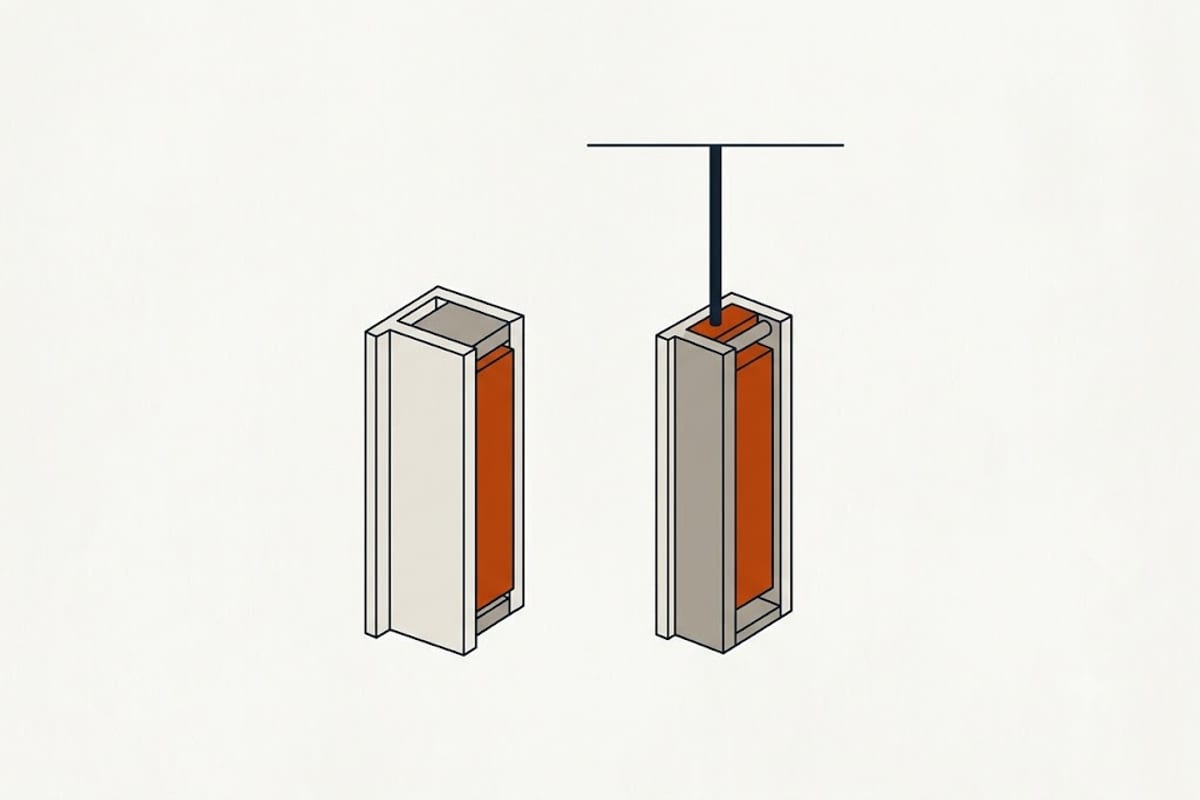
An EV charger fitted with a listed load-management device, or an energy management system that sheds the charger when the range comes on, is a code-recognised way to add a large load to a service that could not otherwise take it.
It is frequently a fraction of the cost of a new service. It is worth pricing before anyone quotes a mast and a meter base — and it is rarely offered unprompted.
What the utility controls
The drop from the pole, the meter itself, and the schedule. Utility coordination is usually the longest part of a panel upgrade and none of it appears in the contractor's price.
On an underground service, trenching is a separate line again and it is priced by the foot.
What else is outside the figure
Any rewiring inside the house. Repairs to walls the new mast passes through. Bringing existing circuits up to current AFCI and GFCI requirements, which some jurisdictions trigger on a service upgrade and others do not — and which is the largest hidden variable in this whole job.