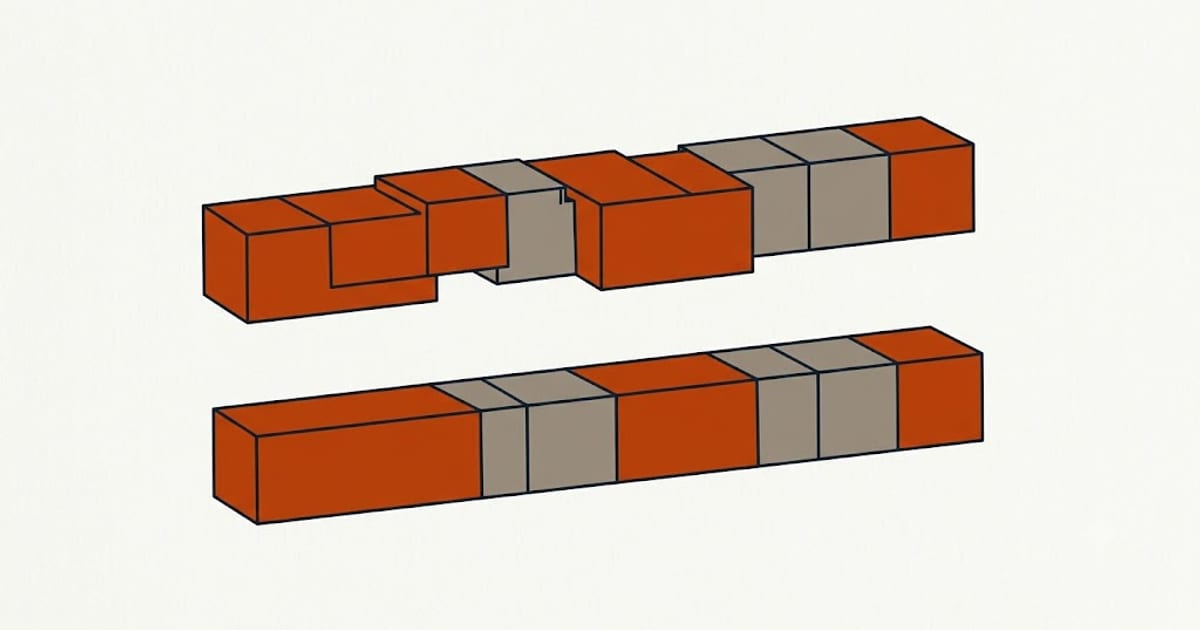
Electrification — an EV, a heat pump, a heat pump water heater, an induction range — adds large loads to houses whose services were sized for gas appliances.
The insight
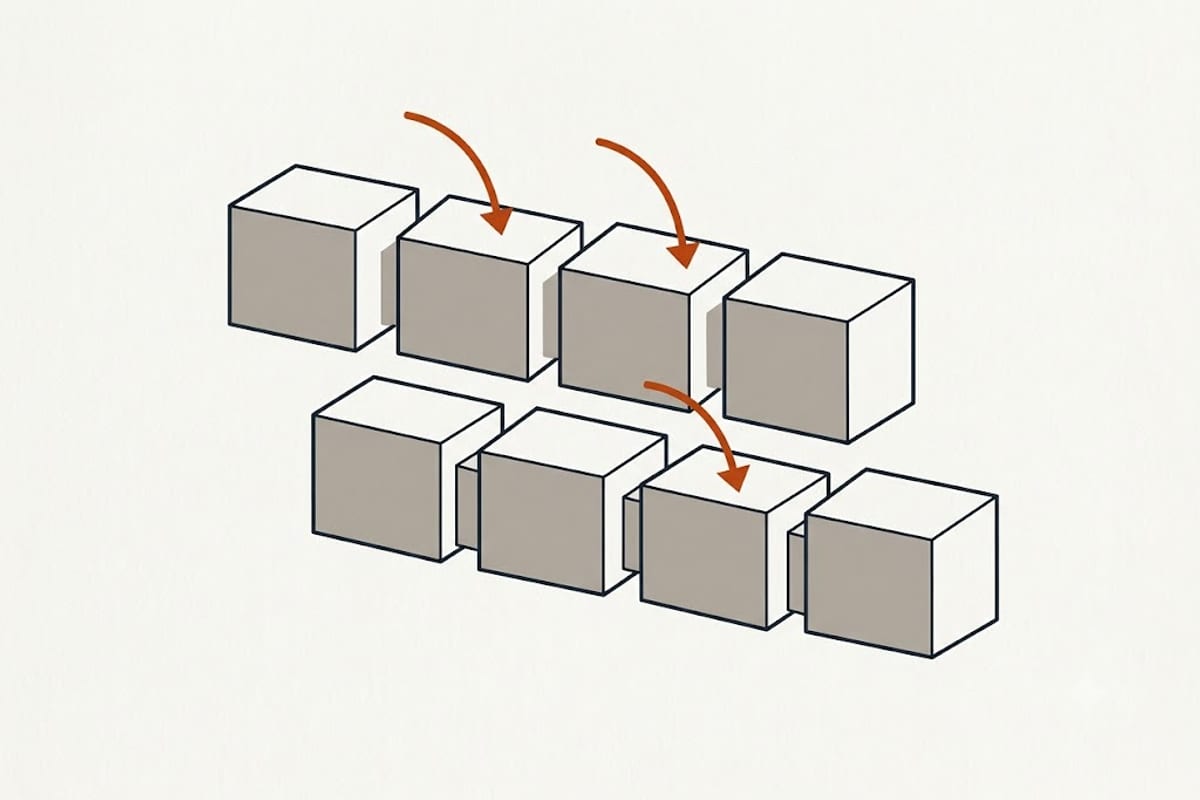
A service is sized for the simultaneous peak. Two 40 amp loads that never run at the same time do not require capacity for 80 amps.
Load management enforces that "never" electrically rather than relying on the household to remember.
The Code explicitly recognises energy management systems and permits the calculated load to reflect their control, which is what makes this a legitimate engineering answer rather than a workaround.
The forms it takes
A simple interlock between two loads — the classic example being an EV charger and an electric dryer or range, wired so only one can energise.
A branch circuit load controller, which monitors one circuit and interrupts another when it draws.
A whole-service energy management system, which measures the service current at the meter or the main and throttles or sheds controllable loads to keep the total under a set limit.
Smart panels, which build the monitoring and switching into the panel itself and give per-circuit control and visibility.
Charger-integrated management, where the EV charging equipment itself has a current transformer on the service and reduces its draw when the house is busy.
Why it works well for EV charging
Charging is the most deferrable large load in a house. A vehicle plugged in at 6pm and needed at 7am has thirteen hours to absorb a charge that takes four.
Reducing the charge rate when the range is on, or pausing it entirely for twenty minutes, costs the household nothing it will notice.
That is not true of a range, a dryer mid-cycle, or heating in a cold snap, which is why chargers are where these devices are most used.
Where it is less suitable
Heating loads in a cold climate, which are needed exactly when they are needed.
Households with genuinely high simultaneous demand — a large family, a home business, several vehicles charging.
Where the constraint is the panel's position count rather than its capacity, which management does not address.
The cost comparison
A service upgrade involves new conductors, a meter base, a panel, grounding, a permit, an inspection and utility coordination.
A load management device is equipment plus an hour or two of installation, and in many cases the charger already contains the capability.
On a house where the only reason for an upgrade is one new load, the comparison is not close — and the upgrade is what gets quoted, because it is what was asked for.
What to ask for
The load calculation with and without management, so the difference is visible.
Which specific device is proposed and how it is listed, since the permitting authority will want to see that it is suitable for the purpose.
What happens when it intervenes — does charging pause, or slow, and does the household see it.
The upgrade that is still worth doing
Where the panel is one of the obsolete types, where the grounding is deficient, or where the service equipment is at the end of its life, replacement is warranted on its own merits.
The point is only that "I want to charge a car" is not by itself a reason for it, and the two decisions should be made separately.
Incentives sometimes cover it
Several utilities fund load management or managed charging directly, because a device that shifts EV charging off the evening peak is worth more to them than to the household.
Where such a programme exists it can cover much of the equipment, and it sometimes comes with a rate discount attached. It is worth checking the utility's EV programme pages before buying anything, since the qualifying devices are usually a specific list.